Our Method

A Comprehensive Approach

Tevel’s dynamic methodology is dedicated to catalyzing the transformation of rural villages. Unlike many conventional approaches that focus solely on a single challenge, our comprehensive methodology adopts an interconnected model, guiding entire villages out of crisis toward opportunity.

Tevel’s  multifaceted approach encompasses ongoing agricultural extension, proactive community outreach, heightened capacity for nutritional diversity, access to the value chain and the promotion of livelihood development through small-scale farming initiatives. This framework is a pathway for change towards resilience and prosperity for these communities. 

Principles of Tevel's Approach

  • Intervention span of 5 to 7 years.
  • Facilitators live at the farm and are part of the ins and outs of community life.
  • Respect for traditional knowledge, structures, and values.
  • Aimed at strengthening community ties and leaving knowledge and skills within the community.
  • Motivated by a belief in the power of community to transform reality.
  • Aimed at strengthening community-based livelihood not at migration.
  • Promoting environmentally friendly practices and agroforestry
  • The project is accompanied by pre-intervention and annual research. ​

The Challenge​

Agriculture sustains over 70% of rural Zambian households, yet poverty and food insecurity remain pervasive. Smallholder farmers are trapped in subsistence farming by three interconnected barriers that must be addressed together:

  1. Limited water access and climate vulnerability
  2. Non-optimized capacity and weak institutions
  3. Disconnected markets and value chains
  4. High unemployment of youth and non-optimized youth leadership potential.

Without addressing all four, farmers remain trapped in poverty.

The Opportunities

  • Youth as a driving force: With over 60% of Zambia’s population under the age of 25, there is a demographic opportunity to leverage the energy, creativity, and entrepreneurial potential of young people for agriculture-led development.
  • Untapped market potential: Growing urban centers such as Lusaka and regional markets have a strong and rising demand for high-value crops, livestock, and processed foods. Linking smallholders to these markets can shift farming from subsistence to enterprise.
  • Natural resource base: Many rural communities in Zambia have access to surface and underground water resources that, if developed sustainably, can enable irrigation and year-round production.
  • Government and institutional interest: Zambia’s agricultural policies emphasize climate-smart agriculture, decentralization, and private-sector partnerships. These priorities create a favorable policy environment for innovative models that integrate government, communities, and private actors.

How it Works:
The Tevel Approach

Tevel's Youth Service Program stands at the center of our community development model, connecting young adults with three critical areas of impact. Each pillar reinforces the others, creating a comprehensive framework for sustainable change.

Youth Service Program (YSP)

Through our intensive two-year program, young adults aged 18-28 are transformed into skilled agricultural professionals and community leaders.

Operating five days a week, nine hours a day, the program combines:

  • Technical training in agronomy, climate-smart practices, and modern farming techniques
  • Business skills in project management, financial literacy, and entrepreneurship
  • Leadership development in community mobilization and the facilitation of community organizations

Climate-Smart Agriculture & Food Security

We work with farmers to adopt conservation agriculture, receive improved inputs, and utilize sustainable irrigation.

Our demonstration farms and training center, staffed by professional agronomists, provide hands-on learning opportunities.

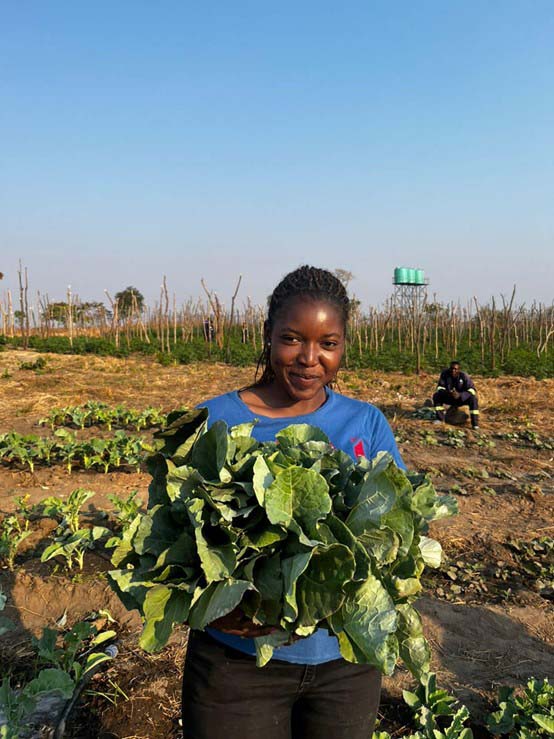
We have established six irrigated farms with year-round cultivation capacity, and are revitalizing high-value crops like garlic, beetroot, and chilli to diversify income sources beyond charcoal production.

Inclusive Market Systems & Community Institutions

Tevel supports cooperatives, savings groups (which grow out of our youth facilitated community clubs), and market linkages (through a network of outgrowers and supermarket buyers we have established) that ensure farmers can access financing and sell their produce profitably.

We have established a bulking center and will establish an agro-shop, have secured outgrower agreements for guaranteed income, and have created market linkages with private sector buyers.

Community savings and loan groups (with 70% women beneficiaries) provide financing for micro-enterprises, while cooperatives strengthen farmer agency and competitive participation in value chains.

Our access-to-market strategy is carefully informed by robust macro-economic market assessment to ensure that the activities and their results do not negatively distort market and community dynamics.

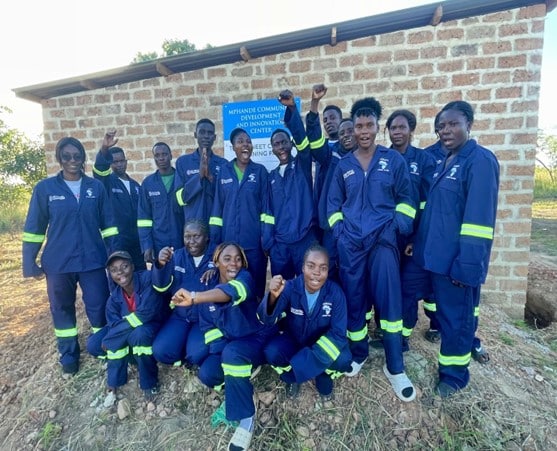
Tevel’s Youth Service Program (YSP) empowers young people, ages 18-26 in their village, turning participants into influential change-makers engaged in whole-community transformation through sustainable farming practices and community leadership.

Location: Zambia

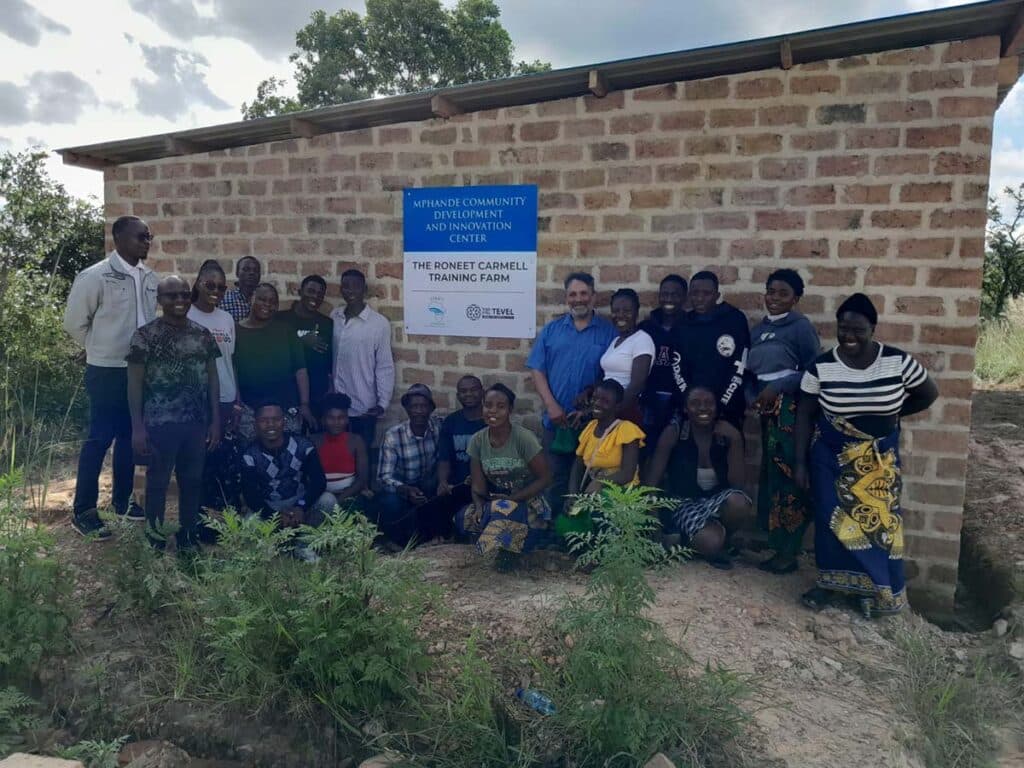
Tevel’s training farm serves as the central hub for our activities, providing a space for comprehensive agricultural instruction, practical demonstrations, and Youth Service Program (YSP) training.

Location: Zambia

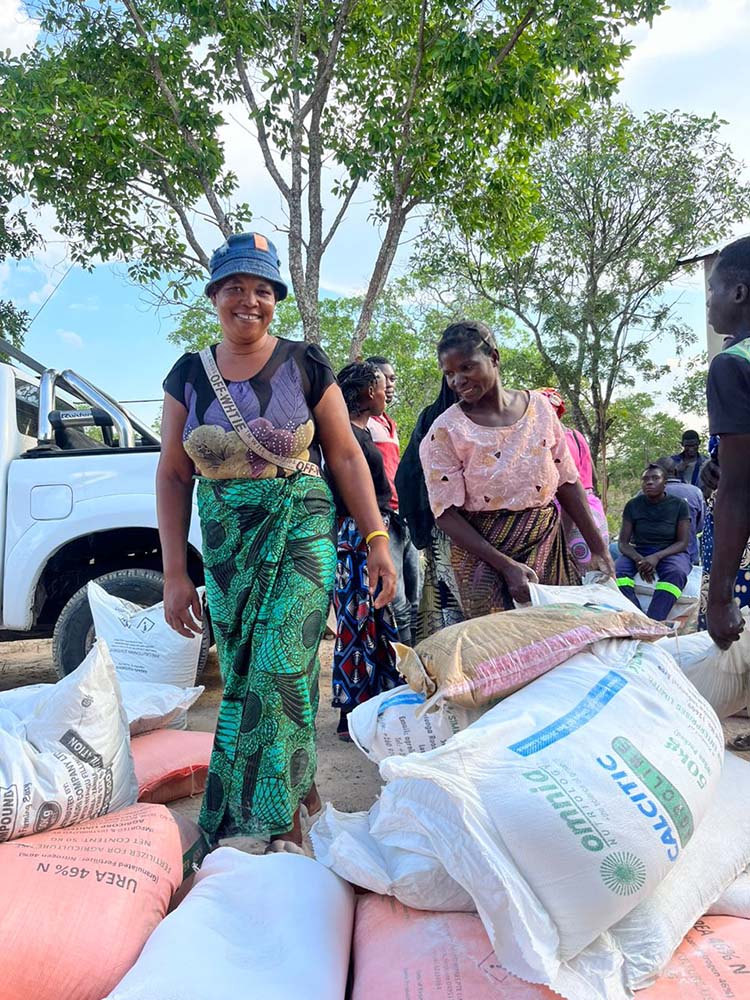
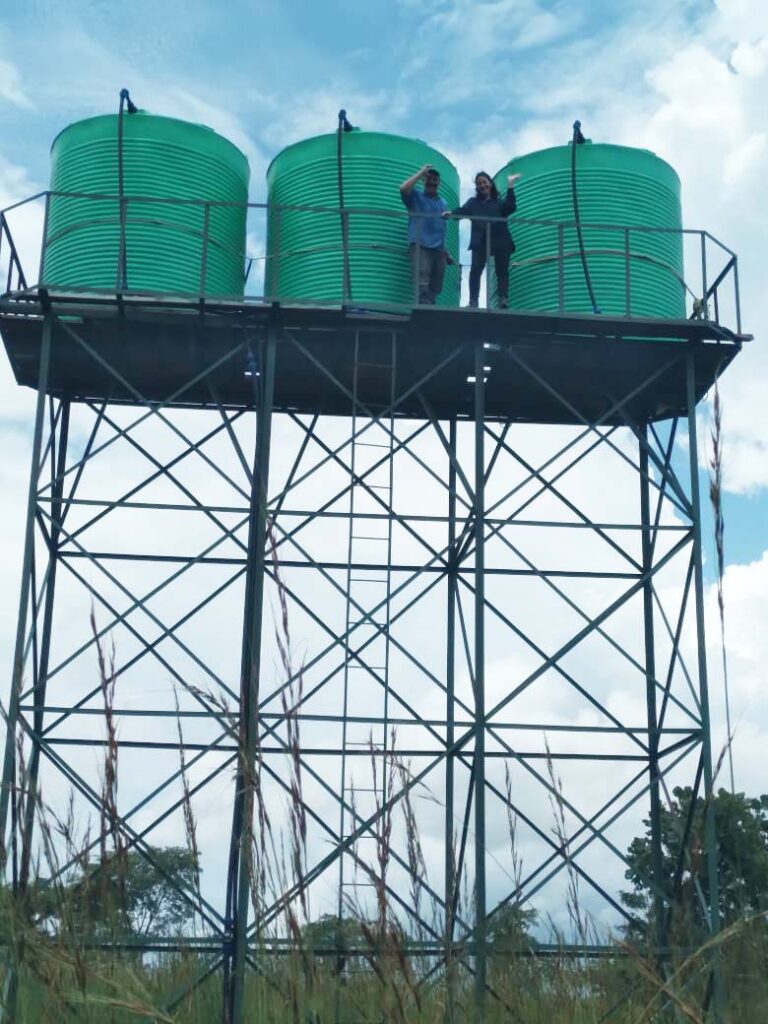
Tevel provides new water sources, such as a reservoir and boreholes, facilitate year-round farming. Coupled with collective input purchasing, market optimization, and training initiatives, these resources empower small-scale farmers, fostering increased agricultural productivity and income.

Location: Zambia

Tevel employs a comprehensive approach to sustainable agriculture including climate-smart training for farmers and interest-free loans for inputs. Ongoing support from Youth Service Program participants and agronomists ensures effective implementation, with flexible repayment options.

Location: Zambia

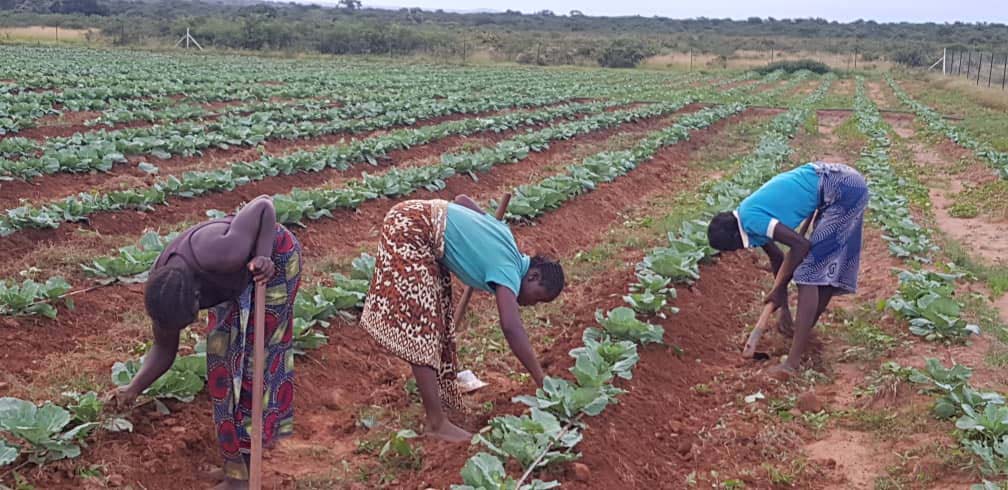
The project serves as a demonstration hub and production unit while providing opportunities for small-scale farmers to generate additional income. 

Location: Zambia
Enhancing Agricultural Capacity

Tevel enhances local farmers’ nutritional capacity through community outreach, agricultural training, and the transition to small-scale agriculture.

Location: Zambia
Inclusive Market Systems & Community Institutions​

Tevel’s 13 community clubs, led by Youth Service Program (YSP) participants, have established village banking groups that promote savings and small loans—key drivers of local economic growth and essential community services such as health and education.

Location: Zambia

Tevel’s model integrates a production unit on our demonstration farm which funds community investments including critical infrastructure for long-term viability.

Location: Zambia
Anti-Malaria Initiative 

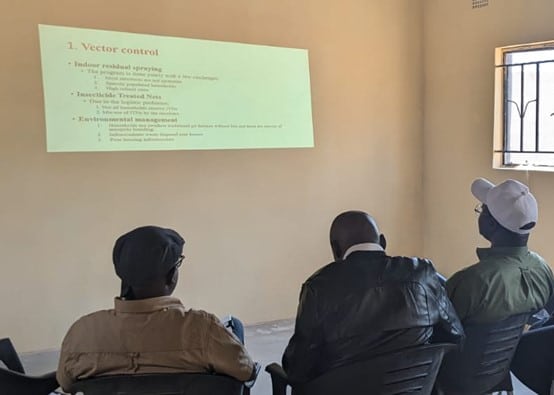
Tevel’s initiative to combat malaria includes distribution of nets, spraying, community education, and training for Community Health Volunteers to conduct malaria tests and distribute medications.

Location: Zambia